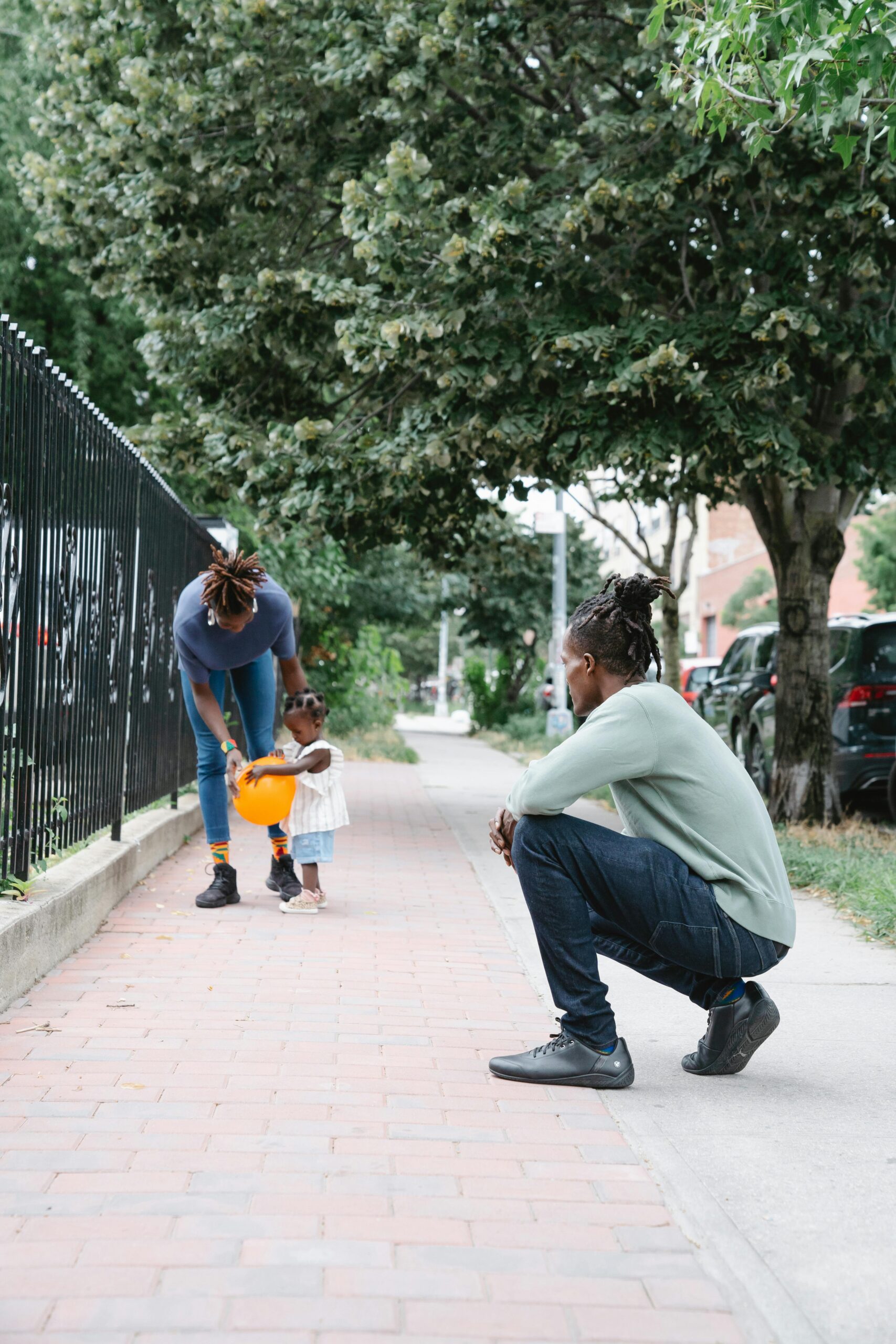
Few things test a parent’s emotional strength like co-parenting after separation. It’s rarely what anyone envisioned when they started a family, and it often comes with layers of grief, frustration, and adjustment. Yet I’ve witnessed countless parents who continue to do their best — creating stability and love for their children despite the challenges. Their efforts deserve recognition, because raising a child between two homes takes more than just coordination; it takes emotional maturity and courage.
Many children from separated homes go on to do remarkably well. This doesn’t happen by chance. It’s often the product of parents who, despite their pain, choose self-restraint, respect, and emotional maturity for the sake of their child’s wellbeing.
But there’s a subtle, often unnoticed dynamic that can unfold in these situations — where children become the emotional “middle ground” between parents.
When a Child Becomes the Emotional Middle Ground

Children are incredibly intuitive. Even without words, they can sense tension, distance, or hostility between their parents. When a parent speaks negatively about the other, vents frustration, or shares too much about adult issues, the child absorbs those emotions like a sponge.
Sometimes this happens openly — for example, when a parent confides in their child about arguments or disappointments. Other times, it’s more subtle — a tone, a sigh, a look of anger when the other parent’s name is mentioned.
In these moments, the child becomes what I call an emotional middle ground. They start to carry the unspoken emotions between their parents — sadness, guilt, anger, or fear — emotions that were never theirs to begin with.
A few common patterns I’ve seen:
- The Comforter: The child takes on the role of soothing or protecting the sad or angry parent.
- The Loyalist: The child feels they must choose sides to prove loyalty.
- The Fixer: The child tries to keep peace, make both parents happy, or avoid upsetting anyone.
- The Silent Observer: The child shuts down emotionally to avoid being drawn into the tension.
No matter the form, it places the child in an impossible position — emotionally bonded to both parents, yet feeling responsible for the emotional balance between them.
The Consequences
When a child carries adult emotions, the effects can be subtle yet far-reaching.
- Emotional Confusion:
They struggle to separate their own feelings from their parents’ emotions. They might feel angry at one parent without understanding why — often mirroring what they’ve absorbed. - Anxiety and Hypervigilance:
The child becomes overly alert to emotional changes, always watching for signs of conflict or distress. This can create a lifelong pattern of people-pleasing or emotional caretaking. - Guilt and Role Reversal:
Children may feel guilty for loving both parents, or responsible for the emotional wellbeing of one parent. This “parentified” role can weigh heavily on their sense of freedom and joy. - Suppressed Expression:
They may learn that it’s not safe to express their true feelings, especially if doing so might “hurt” one parent. Over time, this can lead to emotional suppression or difficulty trusting relationships. - Strained Parent-Child Relationship:
When a child feels used (even unintentionally) as a confidant or messenger, they may develop quiet resentment or emotional distance later in life.
How to Protect Your Child’s Emotional Space
Even in the most painful separations, children can thrive when parents create emotional safety. Here are a few guiding principles — and how to apply them in real situations.
1. Keep Adult Matters Adult
Children don’t need to know the full story of what went wrong. They need stability, reassurance, and love from both parents.
But what if they ask, “What happened?”
It’s natural for children to be curious. Instead of avoiding the question or oversharing, keep your response simple and age-appropriate. For example:
- “Mom and Dad had some problems that we couldn’t fix, so we decided to live separately. But we both love you very much.”
- “Sometimes adults stop getting along the way they used to, and that’s not your fault.”
This gives clarity without drawing the child into adult emotions or assigning blame.
2. Allow Them to Love Both Parents Freely
Children should never feel they have to choose. Let them speak positively about their other parent without tension or withdrawal from you.
Even if your co-parent is difficult, your child’s relationship with them is part of their identity. Criticizing that parent can feel to the child like a rejection of half of themselves.
3. Don’t Use Them as Messengers or Mediators
Even small messages — “Tell your dad to pay for…” or “Ask your mom if…” — pull children into adult dynamics.
Use written communication, co-parenting apps, or mediators if necessary. Your child’s emotional health is worth that extra effort.
4. Manage Your Own Emotions Outside the Parent-Child Relationship
Children are naturally empathic and may offer comfort when they see you upset. Accept their love but don’t lean on them for emotional support.
When parents share too much of their pain, children can feel responsible for making things better — even when they’re overwhelmed or afraid to say so because they care. Let them know your feelings are yours to manage, and find adult spaces — friends, a therapist, or a support group — where your emotions can be safely held.
5. Reassure Their Emotional Safety
Keep reminding your child that they are not responsible for fixing or managing anyone’s emotions.
You might say:
- “You don’t have to worry about adult things. That’s my job.”
- “You can love both of us — that’s a good thing.”
These words, said often and sincerely, give children permission to simply be children again.
Final Thoughts
Co-parenting is one of the hardest emotional balancing acts — but also one of the most meaningful. It calls for strength, patience, and the ability to separate your adult pain from your parenting role.