



In South Africa, around 40% of children will experience their parents’ divorce before they reach adulthood. While divorce is often seen as a solution to family conflict, it can also be one of the most stressful events in a child’s life. But what happens when those children grow up? How do they make sense of the experience as young adults?
These were the questions I explored in my Master’s research: “Young Adults’ Perception of How Parental Divorce in Childhood Has Influenced Adult Functioning.” Using a qualitative approach grounded in Social Constructionism, I interviewed six young adults (ages 19–25) from Gauteng whose parents divorced during their childhood or adolescence. Here’s what I found.
Why This Study?
Most of the existing research on the effects of divorce focuses on childhood and adolescence. But there was little understanding, especially in South Africa, of how the impact of divorce carries through into young adulthood.
Social Constructionism provided the perfect lens for this study, it acknowledges that each person creates meaning through their own unique experience and cultural context. Divorce doesn’t mean the same thing to everyone, even within the same family. One sibling may become more resilient, another may feel broken, and both are “right.” The goal of this study was to understand those subjective truths.
Before and During the Divorce: Loss, Change and Agency

The “Why” Behind the Divorce
Half of the participants cited infidelity (mainly from their fathers) as the reason for the divorce. The other half pointed to emotional abuse, parental trauma, or maternal unhappiness. In most cases, mothers initiated the divorce. One participant even stated that she initiated the separation to protect her mother – highlighting early parentification and a proactive coping stance.
Prepared or Not?
Four participants said they were somewhat prepared through conversations with their parents. While it’s unclear exactly how preparation affected them emotionally, it likely influenced how they made sense of the event, aligning their internal understanding with the external changes happening in their lives.
Shock, Disappointment… and Relief
Despite anticipating the divorce, most participants still felt shock and sadness. For many, the family unit—flawed as it was—was the only reality they knew. However, one participant described feeling relieved because she had long been burdened by high conflict at home, reinforcing how personal and nuanced each experience is.
Changes in Living Arrangements
After the divorce, five participants lived with their mothers and one with her grandparents. Contact with fathers varied widely—some had no contact for years, while others had intermittent relationships. These shifts often redefined or weakened the father-child relationship.
Childhood and Adolescence After Divorce: Emotional Fallout
Ongoing Conflict
Divorce didn’t always end the conflict. In fact, many participants became more involved in disputes between parents or siblings. One mediated arguments; another was taken to court by her father. These experiences deepened emotional strain and shaped how they saw themselves within their families.
Strained Parent-Child Bonds
Most participants reported strained relationships with their mothers after the divorce, despite living with them. Even the participant raised by grandparents struggled with feeling understood. Across the board, father-child relationships suffered—described as distant, cold, or mechanical.
Emotional Impact
Participants shared experiences of anxiety, sadness, anger, and a deep sense of being unsettled. For many, the emotional distance from parents during this time amplified these feelings, creating narratives of being unsupported or unimportant.
Loneliness and Isolation
Many participants had no one to talk to about what they were going through. This emotional isolation, compounded by family conflict, led to long-lasting feelings of loneliness.
Self-esteem and Confidence
One participant’s story stood out. After losing contact with her father, she experienced low self-esteem and academic decline. When their relationship improved, so did her confidence and school performance. This highlights how parent-child connections can deeply affect a child’s self-worth.
Academic Coping
Interestingly, most participants used academics as a way to cope—focusing on school as a distraction from emotional pain. This contrasts with research showing that divorce often leads to academic decline. A possible reason? Many participants had academically successful parents who modeled education as a stabilising force.

Young Adulthood: Rebuilding, Relating, Reflecting
Parent-Child Relationships in Adulthood
By their early twenties, four participants had repaired or improved their relationships with their mothers. However, only two had re-established a warm relationship with their fathers. Those with strained paternal relationships were more likely to report ongoing emotional struggles.
Emotional Well-being
Negative emotionality – especially sadness, anxiety, and difficulty regulating emotions – was common among participants who continued to struggle with father-child relationships. In contrast, one participant reported emotional stability and credited her mother for open, honest communication during and after the divorce. Her mother’s acknowledgment of mistakes and encouragement of a father-daughter bond seemed to serve as a protective buffer.
Social Functioning
Some participants thrived socially in adulthood, while others struggled. Those with close maternal bonds often did better. Feeling “seen” in their primary relationship appeared to influence how they functioned socially and emotionally elsewhere.
Belonging and Identity
Despite maturing and gaining independence, all participants described a lingering sense of not belonging – feeling disconnected from both parents’ new homes, new relationships, and the family system as it now exists.
Difficulty with Intimacy and Trust
All participants shared struggles with trust, especially in romantic relationships. While some of this may be part of early adulthood generally, many linked it directly to their experience of seeing relationships fail, or being caught in the middle of conflict.
Independence as a Silver Lining
Despite the challenges, participants also described becoming more independent and emotionally self-reliant. Some viewed their hardships as contributing to personal growth and maturity – an empowered reconstruction of identity through adversity.
Final Thoughts: Divorce Leaves a Lasting Mark: But So Does Resilience
This study revealed the deeply personal and varied ways that young adults continue to carry the impact of parental divorce. Though all participants experienced conflict, emotional strain, and relational shifts, their journeys were shaped by how their parents handled the situation, how prepared they felt, and how much emotional support they received.
Strong, communicative parent-child bonds – especially with mothers – often supported healing and growth. On the other hand, ongoing emotional distance, unresolved conflict, and lack of acknowledgment from parents left young adults struggling with identity, trust, and belonging.
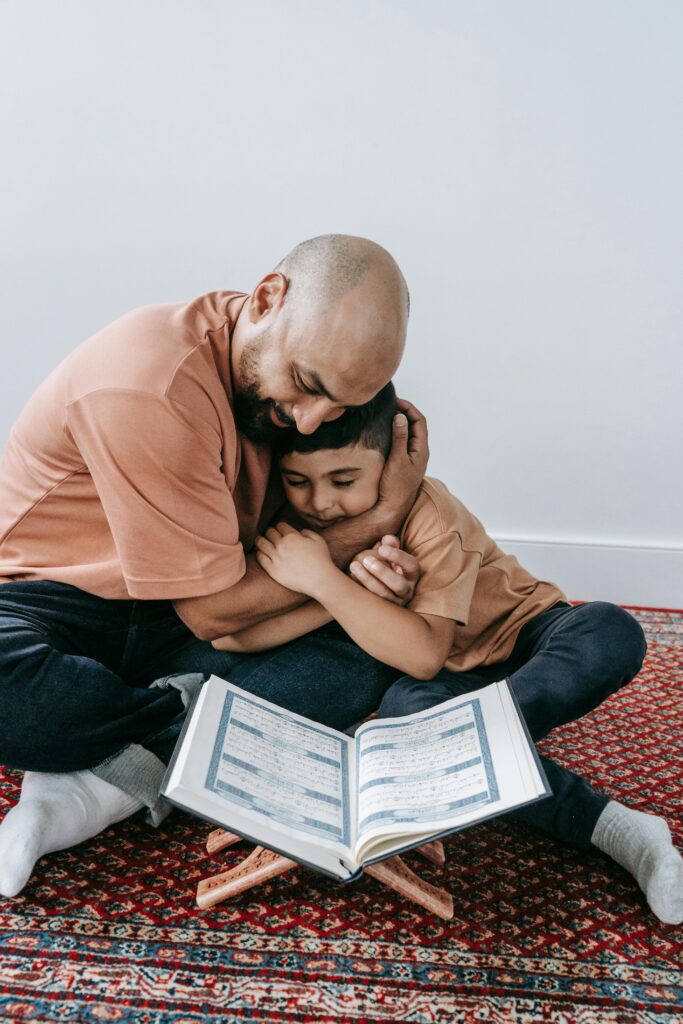
All participants in this study were once children navigating change. If you’re currently going through a divorce and unsure how to support your child, I offer parental guidance to help you manage this transition mindfully and with care.
Coming Soon:
In our next blog, I’ll be sharing evidence-based recommendations for parents currently navigating a divorce – based on these powerful stories. My hope is to help parents make choices that protect their children’s emotional well-being, both now and in the future.
If you are a parent navigating divorce or separation and are concerned about how it may affect your child, you don’t have to go through it alone. Professional guidance can help you support your child through the changes and maintain a strong, healthy connection. You’re welcome to reach out for a session to explore the best ways to guide your family through this transition.
