


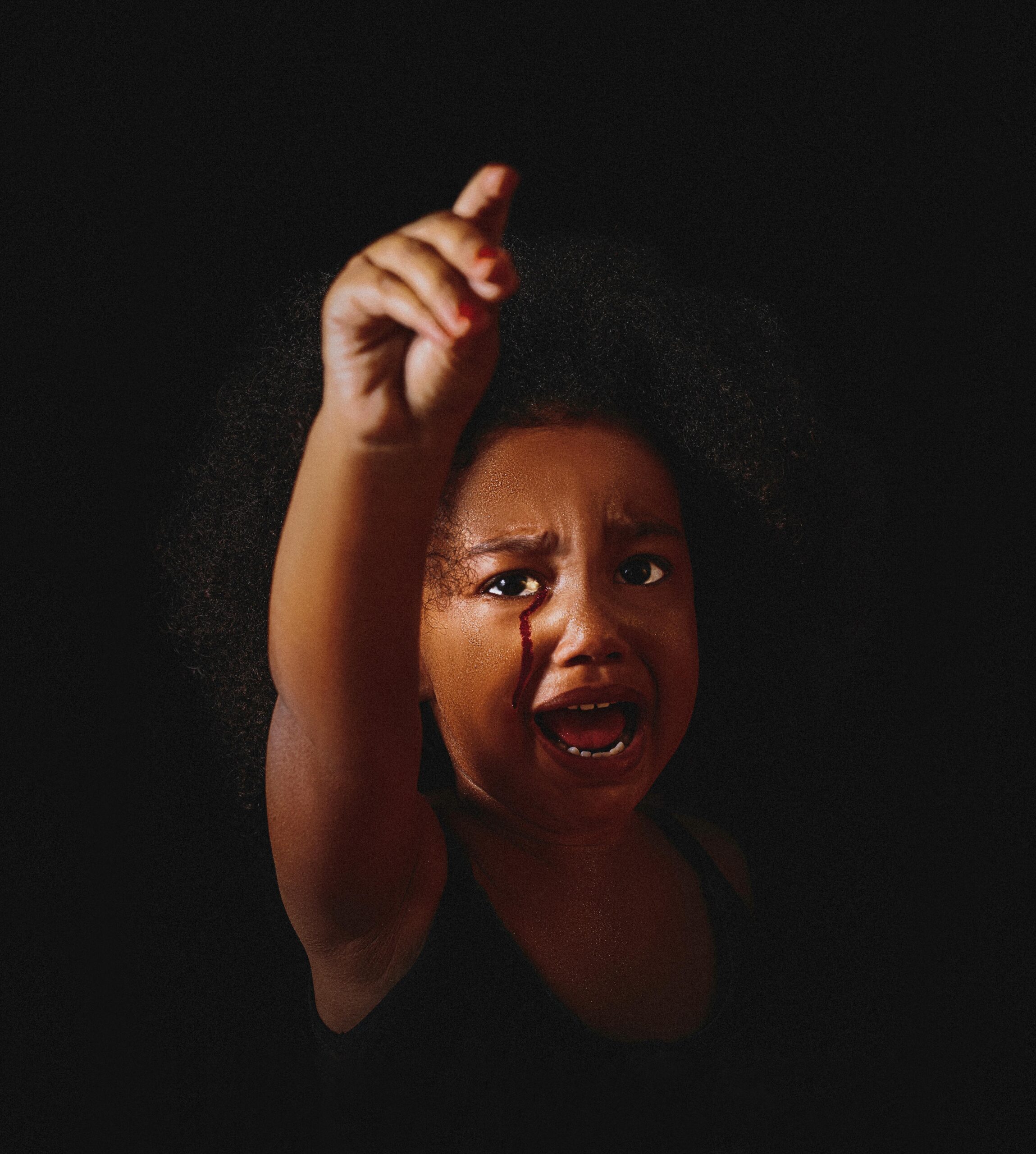
In South Africa, many children wake up each day navigating a world that often wasn’t built with their safety in mind. Childhood—meant to be a time of curiosity, connection, and discovery—is too often disrupted by trauma, fear, violence and abuse. Tragically, these threats often come from the very environments that should protect them, nurture and heal.
According to the South African Police Service, over 24,000 children were victims of violent crime in 2023—including assault, rape, and attempted murder. In just the first quarter of the year, more than 1,300 children were affected by sexual offences. These are not just statistics—they represent real children, whose lives have been disrupted, and whose sense of safety has been deeply shaken, leaving a wound and scare that might never been forgotten.
When Learning Environments are not Safe
Within our schools, bullying and physical violence are common. Research shows that 1 in 3 learners has experienced peer violence. For some, the classroom feels less like a place of learning and more like a battlefield.
These realities lead us to difficult, but necessary questions:
How do we shift the environments our children are growing up in?
How do we create true safety in a country still carrying the burdens of inequality, poverty, and generational trauma?
Children Don’t Just Grow – They Are Shaped
Violence is not inherent. It is often learned—absorbed from the environments in which children in South Africa live. What they see, feel, and experience shapes how they understand, love, resolve conflict, and connect. Repeated exposure to violence and pain can leaves their traces embedded in too many children’s internal narrative.
Many caregivers face their own challenges—whether it’s financial stress, mental health difficulties, or unresolved personal trauma. These burdens can limit their emotional availability, making it harder to respond with patience or care. As a result, children often absorb the emotional strain of their environments, carrying unspoken burdens that aren’t theirs to hold.
The Hidden Cost: Mental and Emotional Wounds
Violence in childhood doesn’t just leave physical scars—it leaves deep emotional ones, too. It is rightfully said that the mind remembers long after the body heals.
Children exposed to chronic stress or violence may experience symptoms of various mental disorders such as Post-Traumatic Stress Disorder (PTSD), anxiety, or depression. Their brains adapt for survival—hyper-alert, guarded, emotionally overwhelmed. This survival mode can make it hard to concentrate, build healthy relationships, or imagine a future filled with possibility.
The long-term effects aren’t just emotional—they’re also developmental.
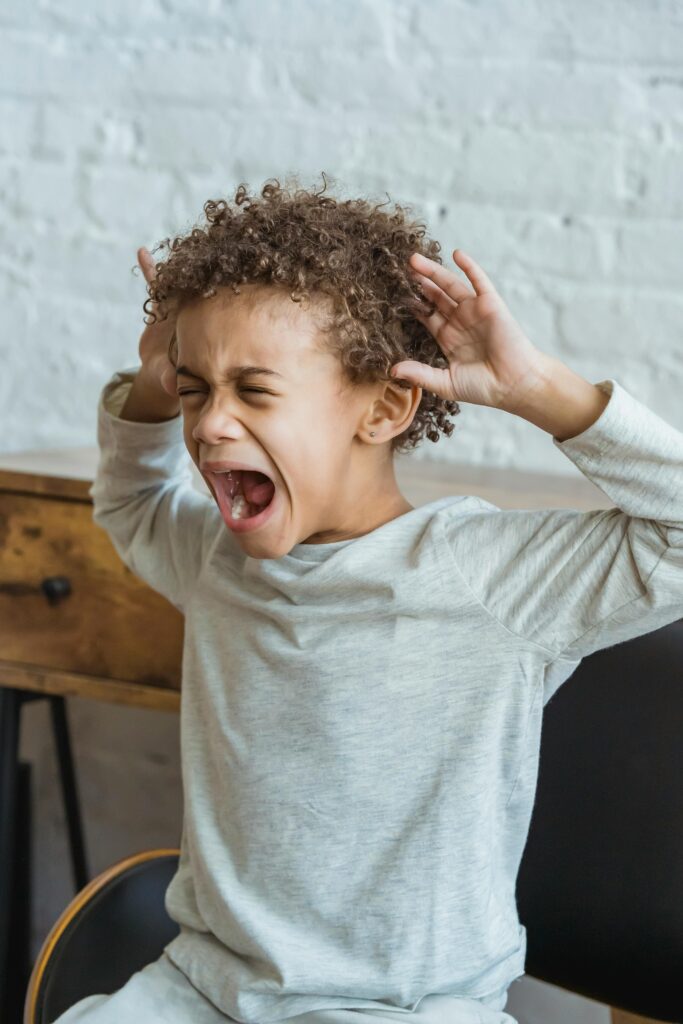
It Takes a Village: Building a Safer Childhood Together
Creating a safe, nurturing environment for children is not only the responsibility of parents. It is a shared task for all of us—families, teachers, neighbours, communities, and professionals. Here’s how we begin:
Parents and Caregivers:
- Maintain clarity in discipline, consistently: Set clear boundaries with empathy and consistency.
- Foster emotional language: Help children communicate and express their feelings. Saying “I feel sad” or “I’m frustrated” helps build emotional awareness.
- Be present: Your attention is healing. Listening, even in small moments, builds trust and resilience.
- Seek support: There is no shame in needing help. Therapy and parental guidance can offer new ways to manage stress and raise emotionally secure children.
Schools:
- Create a culture of safety: Enforce anti-bullying policies and train staff to recognize signs of trauma.
- Prioritize mental health: Make space for conversations and dialog on mental health and ensure learners have access to counselling or mentorship.
- Empower learners: Integrate life skills, conflict resolution, and self-esteem building in school culture.
Communities:
- Watch out for every child: If you suspect abuse—speak up (within the correct channels). Silence protects the abuser, not the child.
- Support initiatives: Volunteer, donate, or advocate for child-focused programs.
- Celebrate conscious parenting: Uplift and affirm adults who raise children with love and respect. Let’s set new, healing norms.
The Role of Therapeutic Support
I believe in walking alongside families as they heal. Through parental guidance therapy, trauma-informed support, and community psychoeducation, we help caregivers build homes where children feel safe, seen, and secure.
This Child Protection Week, let’s not only acknowledge the pain—but also recommit to the promise of change.
Children in South Africa deserve more than just survival. They deserve safety, nurture and love.
Ready to Take the Next Step?
If you’re a parent, caregiver, educator, or community leader ready to break the cycle and raise emotionally strong children—we’re here for you.
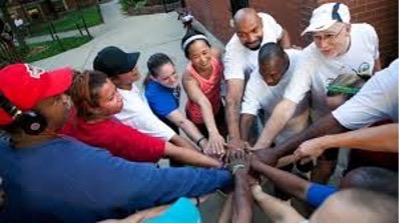
Contact us to learn more about our online parental guidance services, or how you can support safe spaces for children.
Together, we can raise a generation that is protected, empowered, and truly free.
